
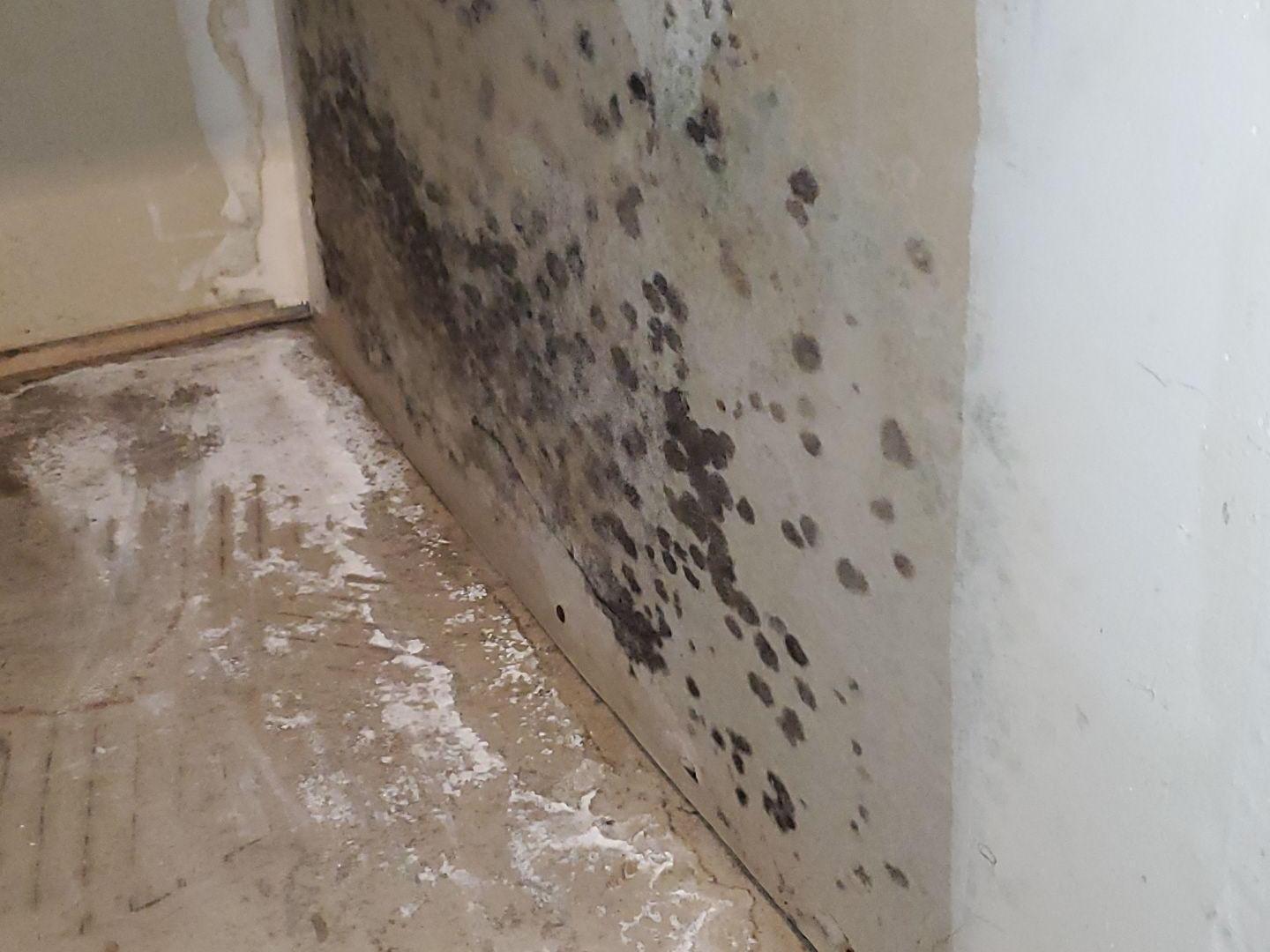
Issues like flood, burst pipe, roof damage, and appliance failure can lead to water damage. A concern is the potential for the biggest impact. Mold is growing behind your walls. If not tackled quickly, mold can easily invade your walls, ceilings, carpets, and furniture.
To make your property safe, clean, and structurally sound, knowing the right strategies for mold prevention after water damage is essential.
Why Mold Develops After Water Damage
Mold spores live in the air and do not grow unless there is moisture. Mold grows after water enters a property and conditions become damp. Mold can begin growing within two days in some situations.
Places where mold often appears in homes include:
- Drywall and ceilings
- Shags and rugs
- Timber flooring
- Underground walls
- Insulating products
If these areas are not properly dried out, mold could continue to grow behind surfaces where it could go unnoticed for weeks.
Signs of Mold Growth
Homeowners should check out these warning signs:
- Moldy or wet smells
- Marks that appear on your walls and ceiling
- Flaking paint or wallpaper
- High humidity indoors
- Indoor allergy-like symptoms
Spotting these early can save on repairs and help prevent further contamination with effective techniques for mold prevention after water damage.
Immediate Steps to Take After Water Damage
Take action now to reduce your chances of having mold. Water removal and drying should be the top priority.
Remove Standing Water
Use pumps, wet vacuums, or professional extraction equipment to quickly remove standing water. The more time water has, the slower the mold develops.
Dry the Affected Areas
For effective mold prevention after water damage, make sure you thoroughly dry the area. Wiping surfaces dry does not remove all moisture, as this collects under flooring and inside walls.
Effective drying methods include:
- Employing industrial fans
- Utilizing dehumidifiers
- Ventilation using open windows
- Get rid of wet furniture and rugs
Keeping indoor humidity below 50% helps prevent mold.
Discard Unsalvageable Materials
Some materials cannot be restored safely as they absorb too much moisture. Things that may need to be changed or replaced include:
- Wet insulation
- Damaged drywall
- Soaked carpets
- Ceiling tiles
Removing contaminated materials helps stop mold from spreading.
Cleaning and Sanitizing the Space
After drying, cleaning is essential to remove any remaining mold spores and microbes.
Schedule Professional Inspections
Moisture that cannot be seen can be found on wall surfaces or under flooring. Using moisture meters and thermal imaging devices, restoration specialists detect moisture damage hidden behind walls.
Bringing in experts for mold prevention after water damage can give you peace of mind that all locations will be treated to avoid a spread.
Tips to Prevent Future Mold Problems
The best defense against mold growth is preventing water damage. Homeowners should ensure regular inspections and maintenance throughout the year.
Important Preventive Measures:
- Always check for plumbing leaks
- Downspouts and gutters are clear
- Inspect roofs after storms
- Enhance airflow in the attic and the basement
- Sump pumps in areas that flood
You can take these simple actions to greatly reduce the risk of moisture damage in your home and property.
Final Thoughts
Mold growth in a water-damaged house can be a serious problem. The essential keys to recovery are fast water removal, complete drying, and proper cleaning.
Homeowners can protect their property and maintain a healthy indoor air quality with the right mold prevention after water damage. You can also avoid costly repairs in the future.